
Retinol is the one active ingredient that dermatologists and ingredient nerds agree on. It works. The clinical evidence stretches back decades, the mechanism is well understood, and results show up consistently whether you are 28 with early fine lines or 52 trying to reset sun damage. I started using The Ordinary Retinol 1% in Squalane about a year ago, and my partner followed about two months in. We are both still reaching for it. That is a longer streak than most serums last in our bathroom.
If you or your partner have been putting this off because retinol sounds intimidating, or because you tried something harsh years ago and gave up, these ten reasons are specifically for you. Every point comes from what I have noticed in our own skin, or from the biochemistry behind why retinol does what it does.
If you are only going to add one nighttime active this year, this is the one.
The Ordinary Retinol 1% in Squalane has over 18,000 reviews on Amazon. It costs less than most moisturizers and it does more. Check the current price below before reading on.
Amazon Check Today's Price on Amazon →It Speeds Up Cell Turnover Without a Prescription
Retinol converts to retinoic acid in the skin, which signals your cells to behave more like younger cells. Faster turnover means fresher skin at the surface, fewer clogged pores, and a more even texture. You do not need a dermatologist visit to get this. You need consistency.
Fine Lines Genuinely Get Shallower Over Time
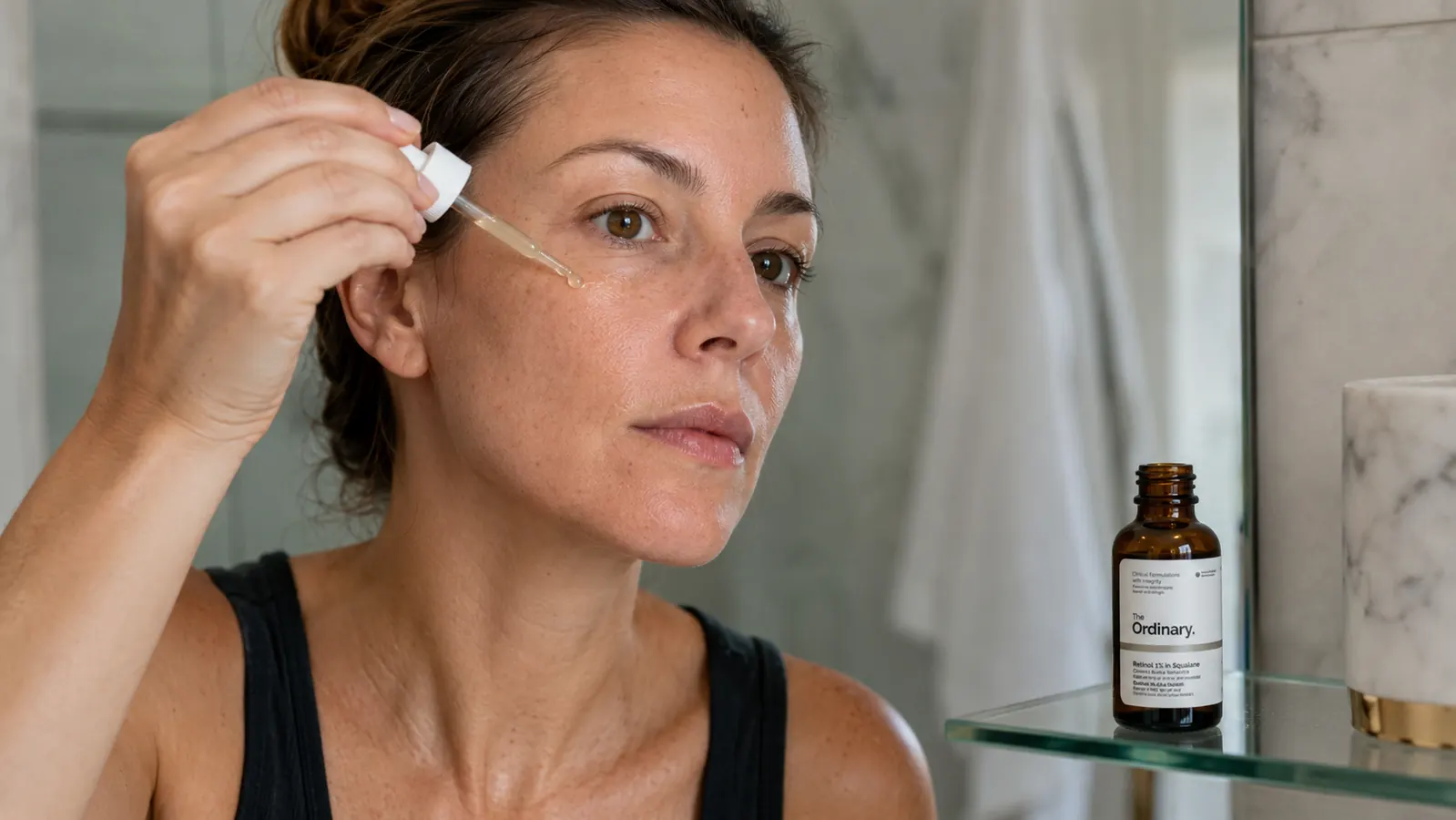
I noticed a difference in the horizontal lines across my forehead around week ten. Not dramatic, but measurable. My partner, who is more prone to crinkles around his eyes, said the same thing at the twelve-week mark. This is not a filter effect. It is collagen stimulation working slowly over time.
The Squalane Base Cuts Down on Irritation
Most retinol failures happen because the formula is too stripping. The Ordinary uses squalane as the carrier, which is a skin-identical emollient. It slows absorption slightly, which translates to less immediate irritation for people with sensitive or dry skin. This is the reason my partner, who has drier skin than I do, was able to tolerate 1% without starting at a lower dose.
It Works for Every Skin Type That Is Not Currently Broken Out
Oily skin, dry skin, combination skin. Retinol is agnostic. If you have active cystic acne, you need a separate conversation about timing and layering. But for the vast majority of people, there is no skin type that does not benefit from controlled cell renewal.
Dark Spots Fade With Consistent Use
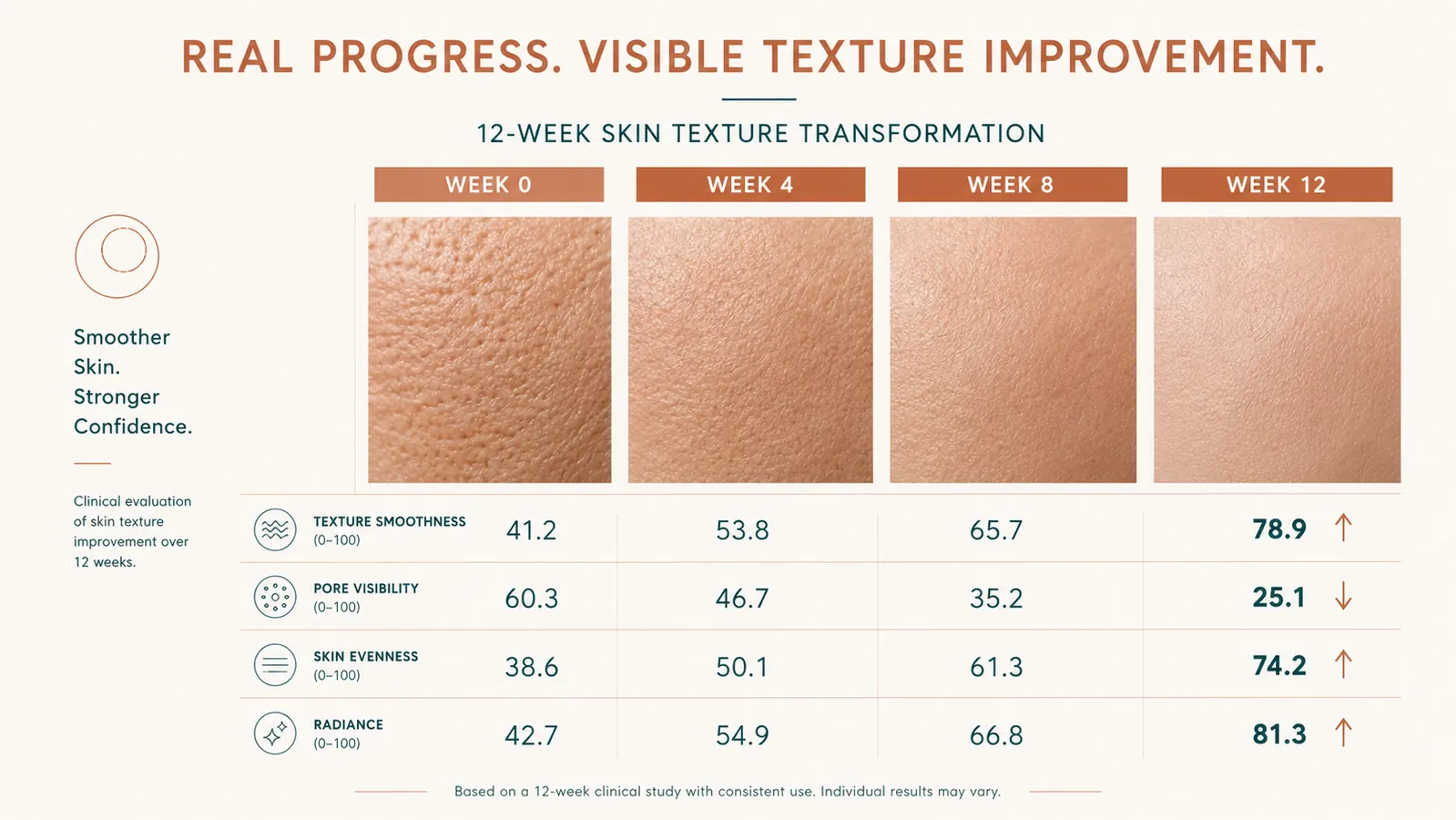
Post-inflammatory hyperpigmentation from old breakouts, sun spots from the decade you skipped SPF, hormonal patches. Retinol accelerates the shedding of pigmented surface cells while interrupting the signal chain that overproduces melanin. It is slower than a dedicated brightening serum, but the improvement is lasting because you are working at the cellular level.
Pores Actually Look Smaller
Pore size is largely genetic. But when oil and dead skin build up inside a pore, it stretches and looks wider. Regular retinol use keeps the pore lining clear, which makes pores look tighter. My partner noticed this more than I did, probably because his skin runs oilier.
It Layers Well With What You Already Own
Retinol at night, vitamin C in the morning. That is the most common pairing and it works because they operate on different pathways. We use The Ordinary Retinol after cleansing, followed by a plain moisturizer. Nothing complicated, no stacking of actives on the same night. See our <a href="/how-to-start-retinol-without-irritation">guide on starting retinol without irritation</a> for the exact sequence.
Men Benefit Just as Much as Women
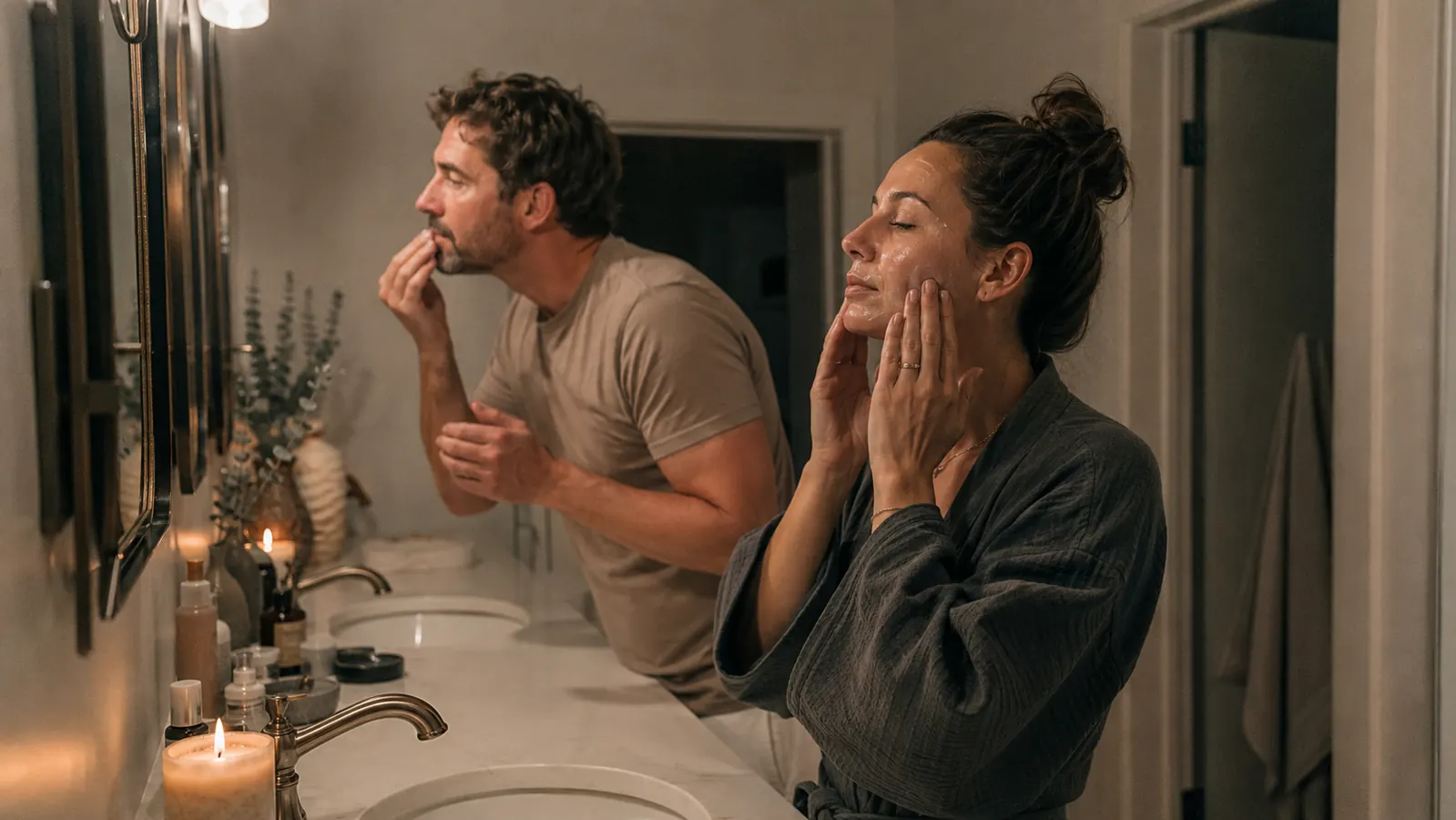
Male skin tends to be thicker and oilier, which means it can often tolerate actives a little more aggressively. It also tends to be photodamaged from years of skipping SPF. Retinol addresses both texture and sun damage. My partner had been skeptical until about month two, when he started noticing his skin looked less dull in the morning.
You Start Seeing Results Before the Three-Month Mark
Most guides say wait 90 days. That is the timeline for collagen remodeling to show measurable changes. But the texture improvement, the surface smoothness, and the pore clarity begin earlier. We both noticed something around week six. Setting realistic expectations matters because people quit too soon.
It Is One of the Most Studied Skincare Ingredients Available Without a Prescription
The peer-reviewed research on retinoids and skin aging goes back more than 40 years. When I see an ingredient with that depth of evidence at a price point this accessible, I stop wondering whether it is worth trying. I keep a spare bottle in the cabinet. For a longer look at how we tested it over 90 days, read our <a href="/ordinary-retinol-review-long-term">90-day couples review</a>.
What I Would Skip
One thing worth naming: if you are brand new to retinol and you have sensitive skin, starting at 1% concentration is on the higher end. The Ordinary makes a 0.2% and a 0.5% in the same squalane base. I started at 1% because I had used retinoids before, but my partner dropped back to 0.5% for the first month before stepping up. If you find yourself peeling or experiencing redness after the first few uses, a lower concentration is not a failure. It is the smarter approach.
The research on retinoids goes back more than 40 years. That is not a trend. That is a proven ingredient that most people keep putting off.
Two people, one retinol, and we are still using it a year later.
The Ordinary Retinol 1% in Squalane is available in multiple concentrations so you can start where it makes sense for your skin and step up from there. Check the current price on Amazon.
Amazon Check Today's Price on Amazon →